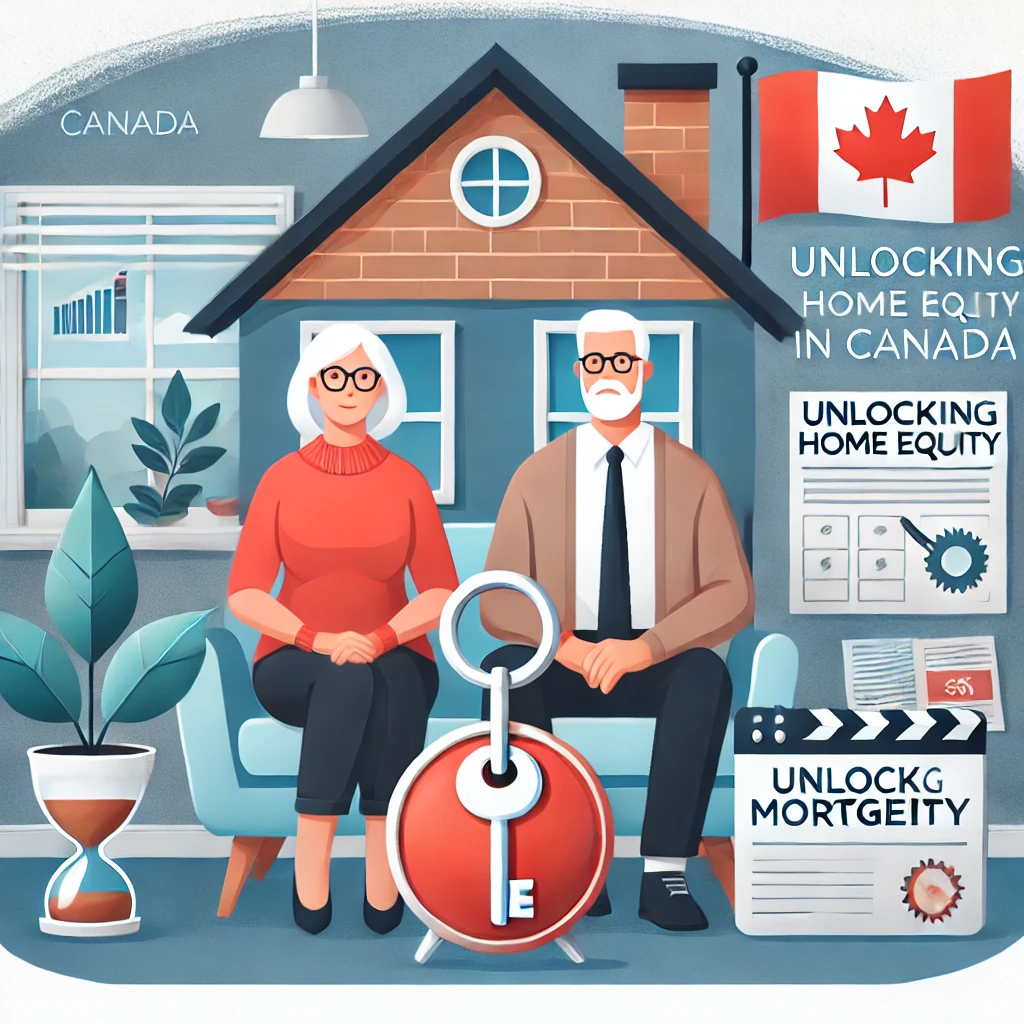
Reverse Mortgage Pros and Cons in Canada 2026
✅ TL;DR — Reverse Mortgage Pros and Cons
Tax-free access to home equity
No required monthly mortgage payments
Homeowner keeps ownership of the property
Interest compounds over time, reducing equity
Best suited for long-term retirement planning
🏠 Reverse Mortgage Pros and Cons in Canada
Reverse mortgages allow Canadian homeowners aged 55 and older to access home equity without selling their home or making monthly mortgage payments. While they can be a powerful retirement planning tool, they also come with long-term considerations that should be clearly understood before proceeding.
This page provides a neutral, educational breakdown of the real advantages and disadvantages of reverse mortgages in Canada — so homeowners and families can make informed decisions based on facts, not marketing.
🧠 What Is a Reverse Mortgage?
A reverse mortgage is a home loan available to Canadian homeowners aged 55+ that allows them to borrow against their home equity while continuing to live in the property.
Unlike a traditional mortgage, no monthly payments are required. Interest is added to the loan balance over time, and repayment usually occurs when the home is sold, the homeowner permanently moves out, or passes away.
Reverse mortgages in Canada include consumer protections such as a no-negative-equity guarantee, meaning the loan will never exceed the home’s value at sale.
🔗 Government Resources
✅ Pros of Reverse Mortgages in Canada
💰 No Monthly Mortgage Payments
Homeowners are not required to make regular mortgage payments, which can significantly improve cash flow during retirement.
🏡 You Keep Ownership of Your Home
You remain the legal owner of your home as long as you continue to live in it, maintain it, and keep property taxes and insurance up to date.
🧾 Tax-Free Access to Equity
Funds received from a reverse mortgage are not considered taxable income and generally do not affect OAS or CPP benefits.
🔄 Flexible Use of Funds
Money from a reverse mortgage can be used for retirement income, debt consolidation, home renovations, healthcare expenses, or helping family members.
🛡 No-Negative-Equity Guarantee
You or your estate will never owe more than the home’s fair market value when it is sold.
Get An Estimate
See How Much You Can Borrow Today!

⚠️ Cons of Reverse Mortgages in Canada
📈 Higher Interest Costs Over Time
Reverse mortgage interest rates are typically higher than traditional mortgages or HELOCs, and interest compounds over time since no payments are made.
📉 Reduced Home Equity
As interest accumulates, the loan balance grows, which reduces the remaining equity in the home.
💼 Fees and Closing Costs
Reverse mortgages may include appraisal fees, legal fees, and closing costs, which are often added to the loan balance.
👪 Impact on Estate Planning
When the home is sold or the homeowner passes away, the loan must be repaid—usually through the sale of the property. Heirs are not personally responsible for the debt.
⏳ Not Ideal for Short-Term Needs
Reverse mortgages are generally better suited for long-term retirement planning rather than short-term borrowing.
👤 Who Reverse Mortgages Are Best For
Reverse mortgages may be suitable if you:
are 55 or older
plan to remain in your home long-term
have significant home equity
want tax-free cash flow in retirement
prefer not to make monthly mortgage payments
🚫 When a Reverse Mortgage May Not Be Ideal
A reverse mortgage may not be the best option if you:
plan to sell your home in the near future
want to preserve maximum inheritance
qualify for lower-cost borrowing alternatives
can comfortably manage regular mortgage payments
🧠 Expert Insight — Reverse Mortgage Planning
Reverse mortgages are not inherently good or bad. They are financial planning tools that work best when aligned with long-term housing, retirement, and estate goals. Understanding both the benefits and trade-offs is essential before proceeding.
Frequently Asked Questions About Reverse Mortgage Pros and Cons
They are regulated financial products with consumer protections, but suitability depends on individual circumstances.
In most cases, funds are tax-free and do not impact OAS or CPP.
Yes. Heirs can repay the loan balance and keep the property if they choose.

🔗 Related Reverse Mortgage Resources
Current Reverse Mortgage Rates
Today’s Mortgage Rates updated as of May 26, 2026 5:01 pm
Reverse Mortgage News